
Plastic Waste Management and EPR Challenges in Vietnam
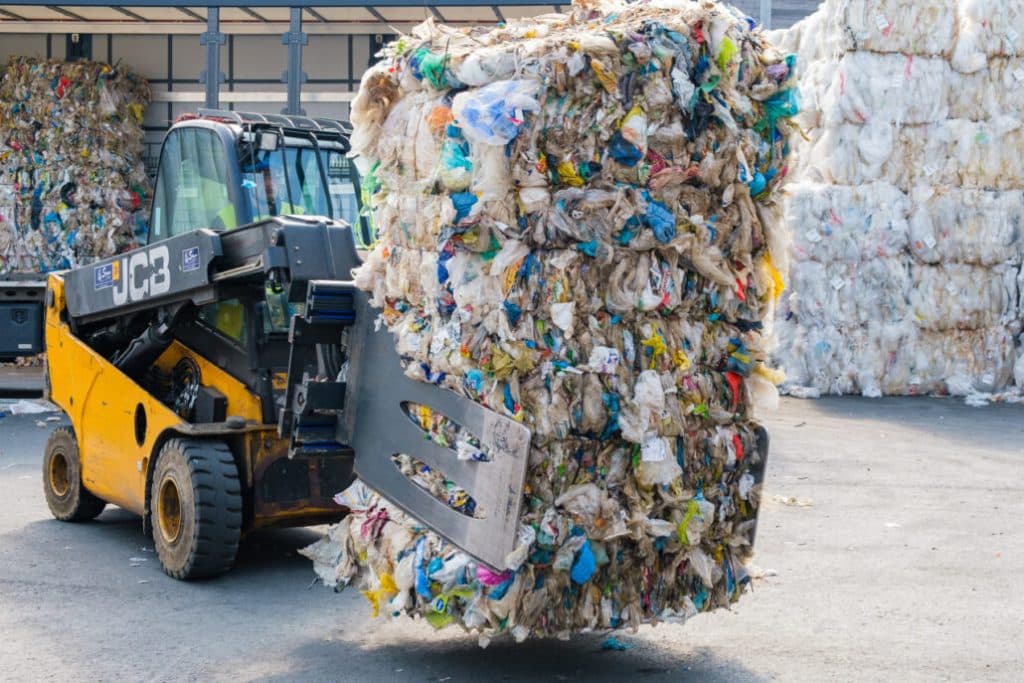
Data from the Department of Environment (Ministry of Agriculture and Environment) shows that on average, Vietnamese people generate about 1.8 million tons of plastic waste each year. This volume of plastic waste accounts for about 8 - 12% of the total amount of household solid waste in Vietnam. However, only about 11 - 12% of it is collected and recycled, the rest is mainly landfilled, burned or discharged directly into the environment. This situation is contributing to serious environmental pollution. Before committing to net zero emissions by 2050 at COP26, Vietnam gradually improved the legal framework on EPR by selectively absorbing EU experience.
Environmental and economic experts note that many countries use EPR to require businesses to recover and recycle packaging after use. Vietnam incorporated EPR into the 2020 Law on Environmental Protection, allowing covered businesses to organize collection and recycling directly or contribute financially. Some beverage companies have started packaging take-back programs; some food companies are working with supermarkets on collection points. Consumer goods producers are also exploring paper and biodegradable packaging. Such measures can reduce the amount of waste sent to landfills.
Proposal to amend and supplement Articles 54 and 55 on implementing the EPR mechanism
From international experience on EPR, as well as operating and implementing the responsibility of manufacturers, representatives of the EPR Office - Department of Environment (Ministry of Agriculture and Environment) proposed amending and supplementing Articles 54 and 55 of the Law on Environmental Protection 2020.
Ho Kien Trung, Deputy Director of the Department of Environment under the Ministry of Agriculture and Environment, said the agency would continue reviewing EPR implementation and proposing suitable improvements. He called for continued support from UNDP in policy development, technical guidance, capacity building, and public-private dialogue. Author: Nam Anh
Source: Dai Doan Ket newspaper
WHAT SHOULD BUSINESSES DO TO IMPLEMENT EPR EFFECTIVELY?
Faced with the remaining challenges in the implementation process, a big question for businesses is: How to implement EPR effectively, in accordance with regulations but still optimize costs?
In reality, building your own collection and recycling system requires:
- Large financial resources
- Complicated operating system
- Expert knowledge of recycling and the environment
- Ability to control and report transparently
For many businesses, partnering with a professional recycler is a practical way to meet EPR obligations efficiently and comply with the law.
ECO REVIVE – EFFECTIVE EPR IMPLEMENTATION SOLUTION FOR BUSINESSES
In this context, Eco Revive offers businesses a structured approach to meeting their EPR responsibilities.
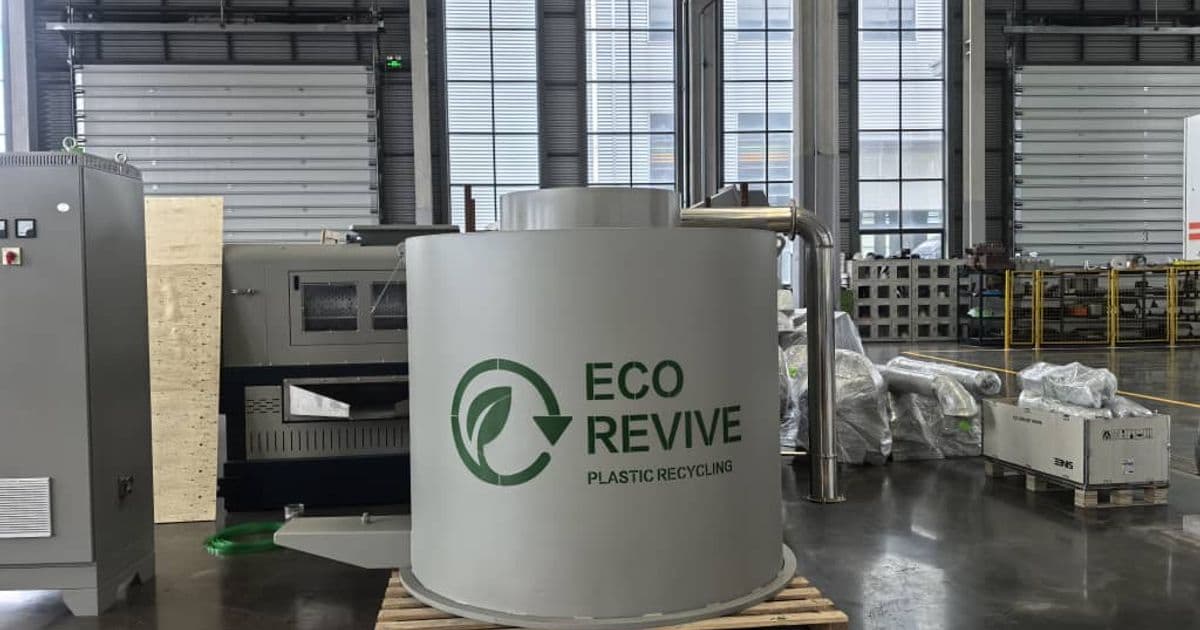
With the investment in modern plastic recycling machines, ECO REVIVE has continued to improve processing capacity and ensure the following criteria:
- Effective recycling that meets applicable standards
- Data transparency – Support EPR reporting
- Cost optimization and greater material value
CONNECTING EPR WITH CSR & ESG STRATEGY
Beyond compliance, EPR also gives businesses an opportunity to:
- Build an environmentally focused CSR strategy.
- Strengthen their ESG profile with investors.
- Create a responsible brand image
Through cooperation with ECO REVIVE, businesses can:
- Participate in the actual recycling value chain
- Contribute to promoting circular economy in Vietnam
- Create a positive, lasting impact on society.
FUTURE DIRECTIONS: COOPERATION TO SOLVE THE PLASTIC PROBLEM
EPR cannot be successful if it comes from only one side. It is a problem that requires the cooperation of:
- State (policy – legal framework)
- Enterprise (execution – finance)
- Recycling unit (technology – operation)
And ECO REVIVE is the bridge that helps the parties connect more closely in this ecosystem.
COOPERATION INVITATION FROM ECO REVIVE
We call on businesses to:
- Take a proactive approach to EPR responsibilities.
- Seek effective, transparent recycling solutions.
- Work with partners that have proven operational capacity.
CONCLUSION
In the journey towards the net zero emissions target by 2050, EPR will be one of the important pillars. And for this mechanism to be truly effective, businesses need partners who are capable, transparent and have a long-term vision.
Eco Revive is ready to help turn responsibility into lasting value.
plastic waste and key considerations for businesses
See more related solutions atEco Revive's plastic waste and recyclable materialsso that businesses can develop more appropriate production, collection and recycling plans.
plastic waste needs to be mentioned again in the content plan because plastic waste is central to helping businesses properly understand the context, goals and how to deploy plastic waste in actual operations.